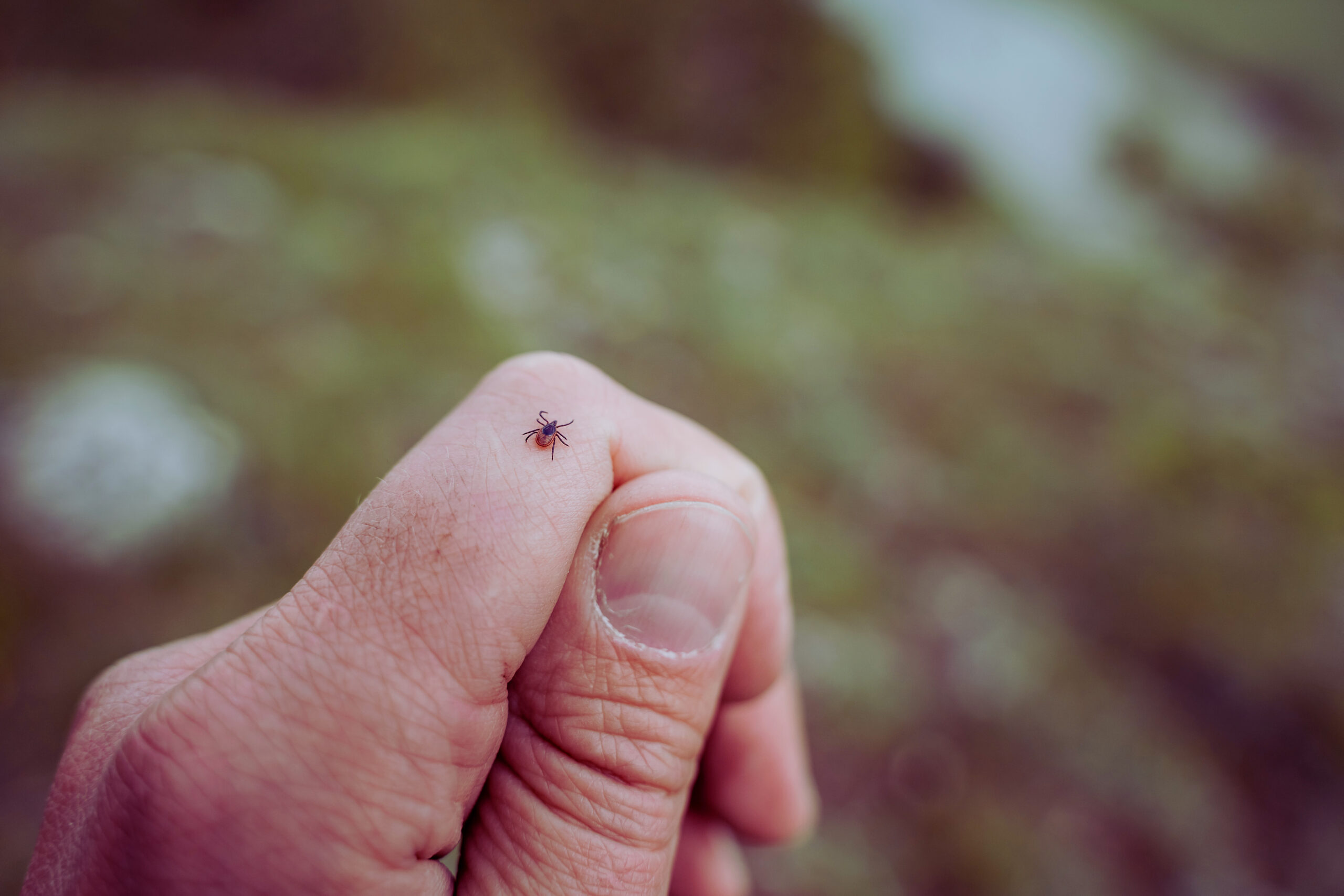
What is a tick?
A tick is a small, spider-like insect that burrows into the skin of dogs (and other animals) to feed on blood. Ticks on dogs can nest anywhere on your dog’s body but often prefer areas around the head (ears, chin, and around the eyes), neck, groin, armpits, and between the toes. They can transmit various diseases to your dog. In this blog we discuss which diseases can be transmitted
Lyme disease
The most common is Lyme disease. Lyme disease is caused by ticks transmitting the bacterium Borrelia burgdorferi to dogs. Common symptoms of Lyme disease include lameness, fever, lethargy, and loss of appetite. Lyme disease can also cause swollen lymph nodes and kidney problems.
Babesiosis
Babesiosis, also known as piroplasmosis, is caused by the Babesia parasite. This parasite is mainly found in deer, rats, and cattle. The Babesia parasite attacks your dog’s red blood cells. Symptoms of the disease include fever, anemia, and dark urine. This disease is life-threatening for your dog.
Ehrlichiosis
Ehrlichiosis is a disease caused by the brown dog tick, which used to be found only in subtropical and tropical regions and is now increasingly common in the Netherlands due to climate change. In this disease, the Ehrlichia bacteria infect the dog’s white blood cells. After infection, the dog may experience initial symptoms such as fever, lethargy, decreased appetite, vomiting, and enlarged lymph nodes. If the dog is not treated for the infection, the symptoms can worsen, and the dog may develop anemia, clotting disorders, fatigue, and joint pain.
These diseases can cause serious health problems. It’s therefore important to remove a tick immediately if you see it on your dog. If your dog is bitten by a tick, remove it as soon as possible to reduce the risk of infection. Also, immediately record the date your dog was bitten by a tick. Even dogs that don’t get sick immediately can become sick three weeks or even months later. If you suspect your dog is ill and exhibits the symptoms mentioned above, contact your veterinarian immediately.
How do you remove a tick?
You can remove a tick with a special tick pen or tick hook. We strongly prefer a hook because you slide it under the tick and thus don’t irritate the tick’s body. This reduces the risk of the tick injecting its contents, and therefore any bacteria it may be carrying, into your dog. Also interested in the tick hook? This link will lead to the tick hook.