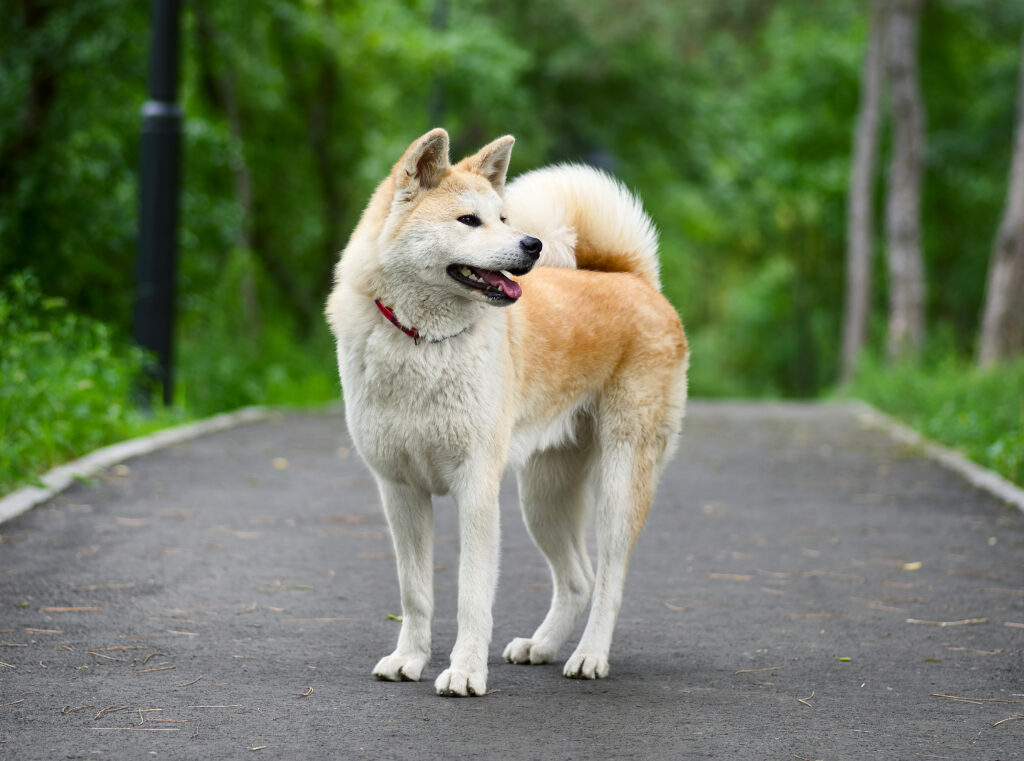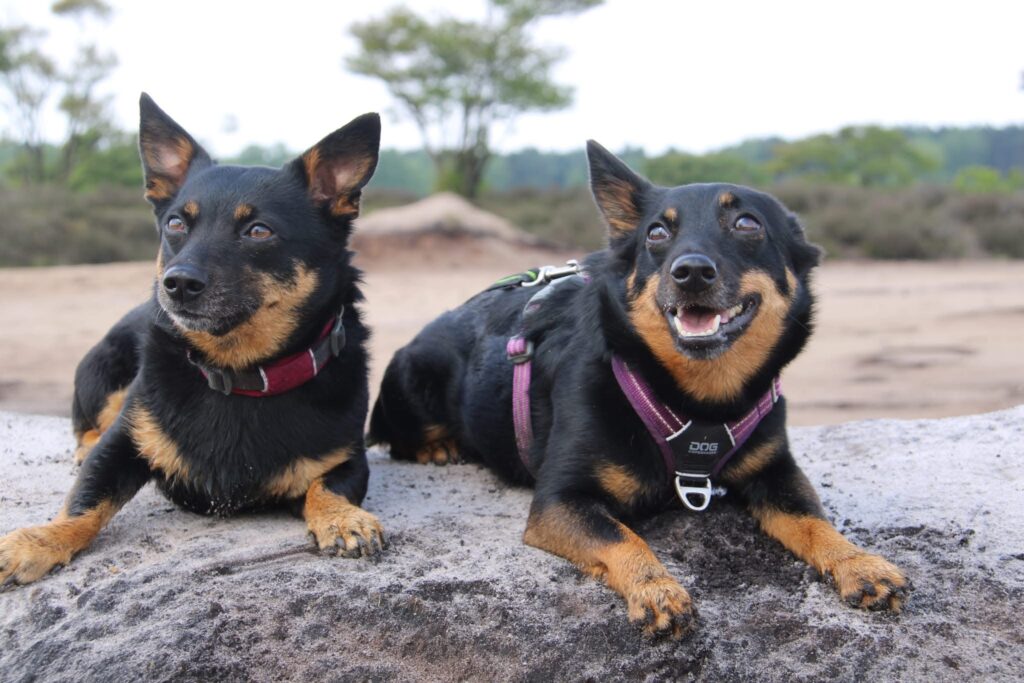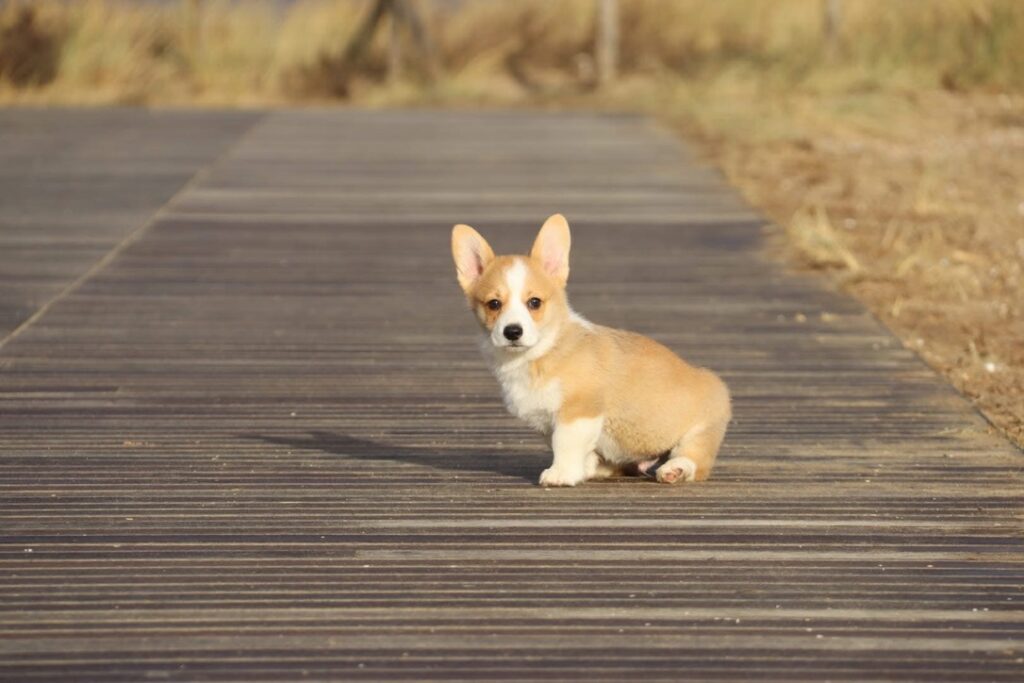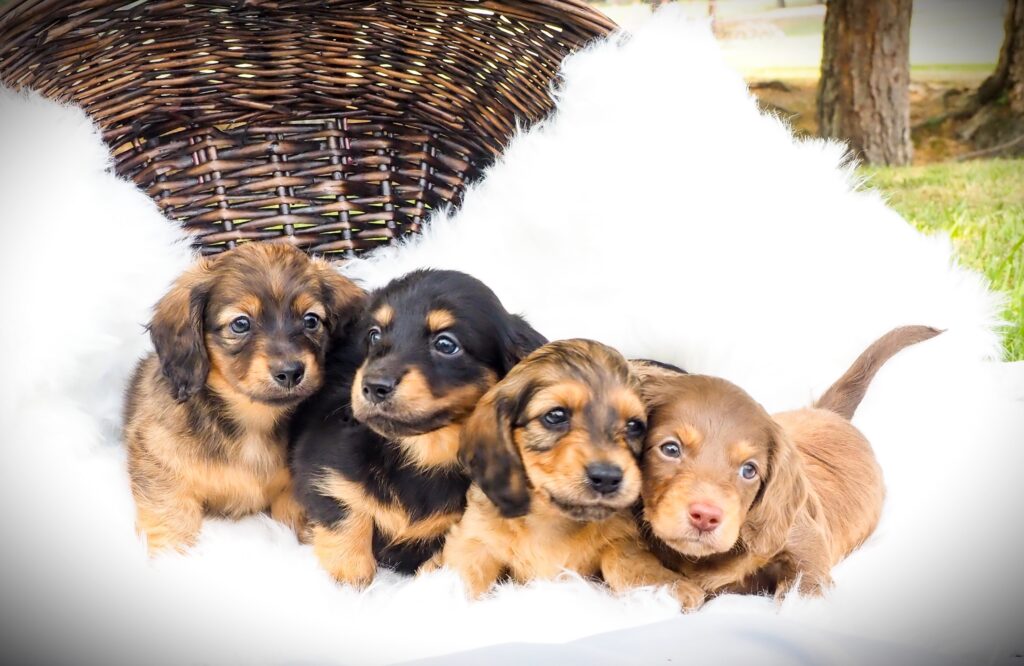
Dogs can be difficult to read. How do you know their intentions? We often assume every dog has friendly intentions, and often, things go very well. But not always. In such moments, it’s helpful to know what a dog is communicating with body language. Just as we can convey our emotions through our facial expressions and body language, so can dogs. They communicate with each other, and if we know what they’re trying to say, we can respond effectively. In this blog, we discuss dog body language.
Head
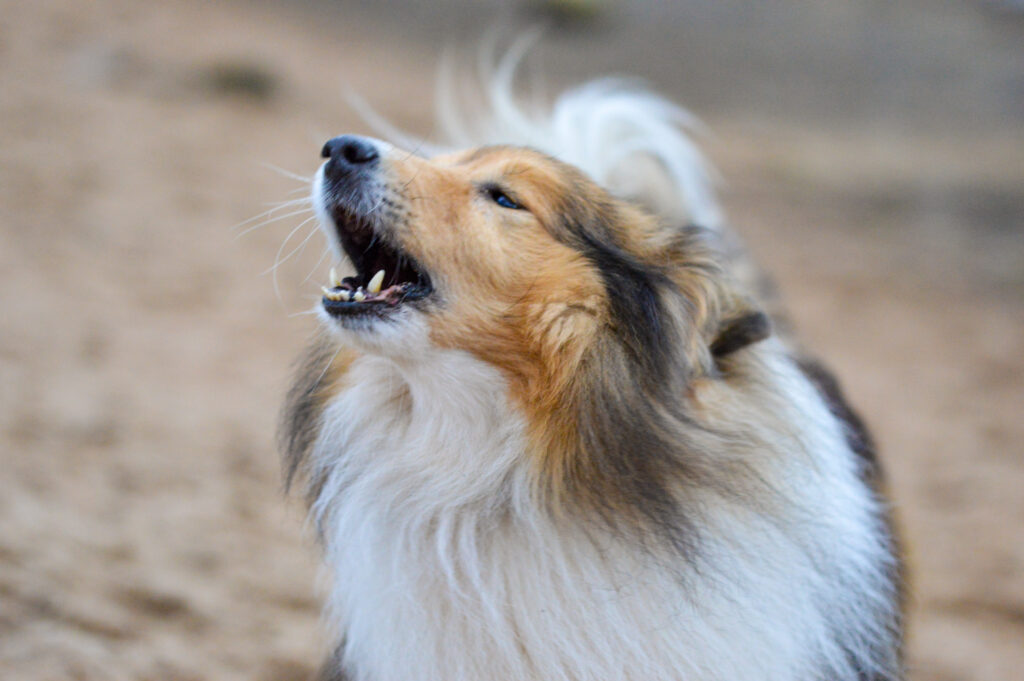
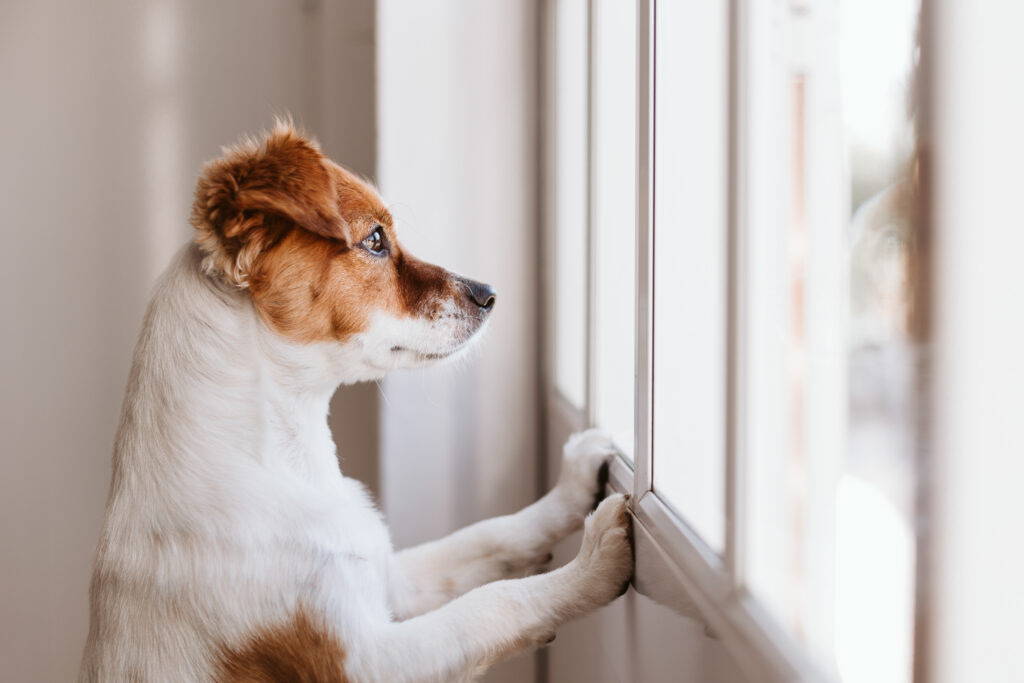
A dog’s expression tells you a lot. If you know your dog inside and out, you’ll know exactly when your dog is sad or happy. With unfamiliar dogs, this is more difficult. Self-confident dogs hold their heads high. Dogs that are uncertain about the situation tend to keep their heads lower.
Ears
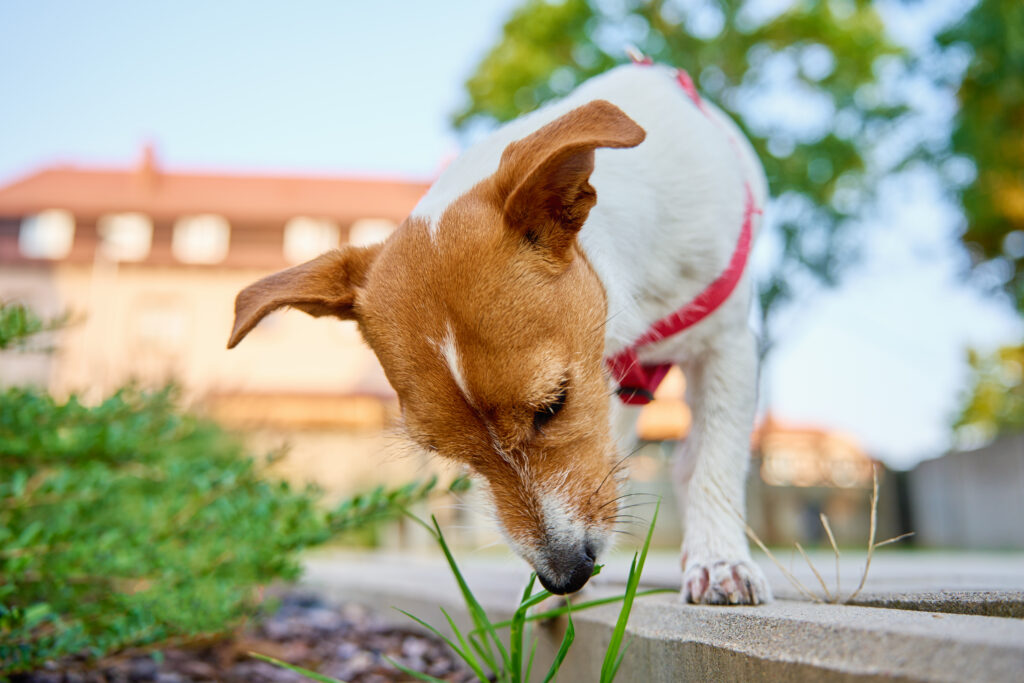
A dog with its ears held forward is confident. It often also reflects curiosity. When dogs are playing, their ears are often carried sideways. If a dog’s ears are held low and back, it is insecure about the situation.
Body and legs
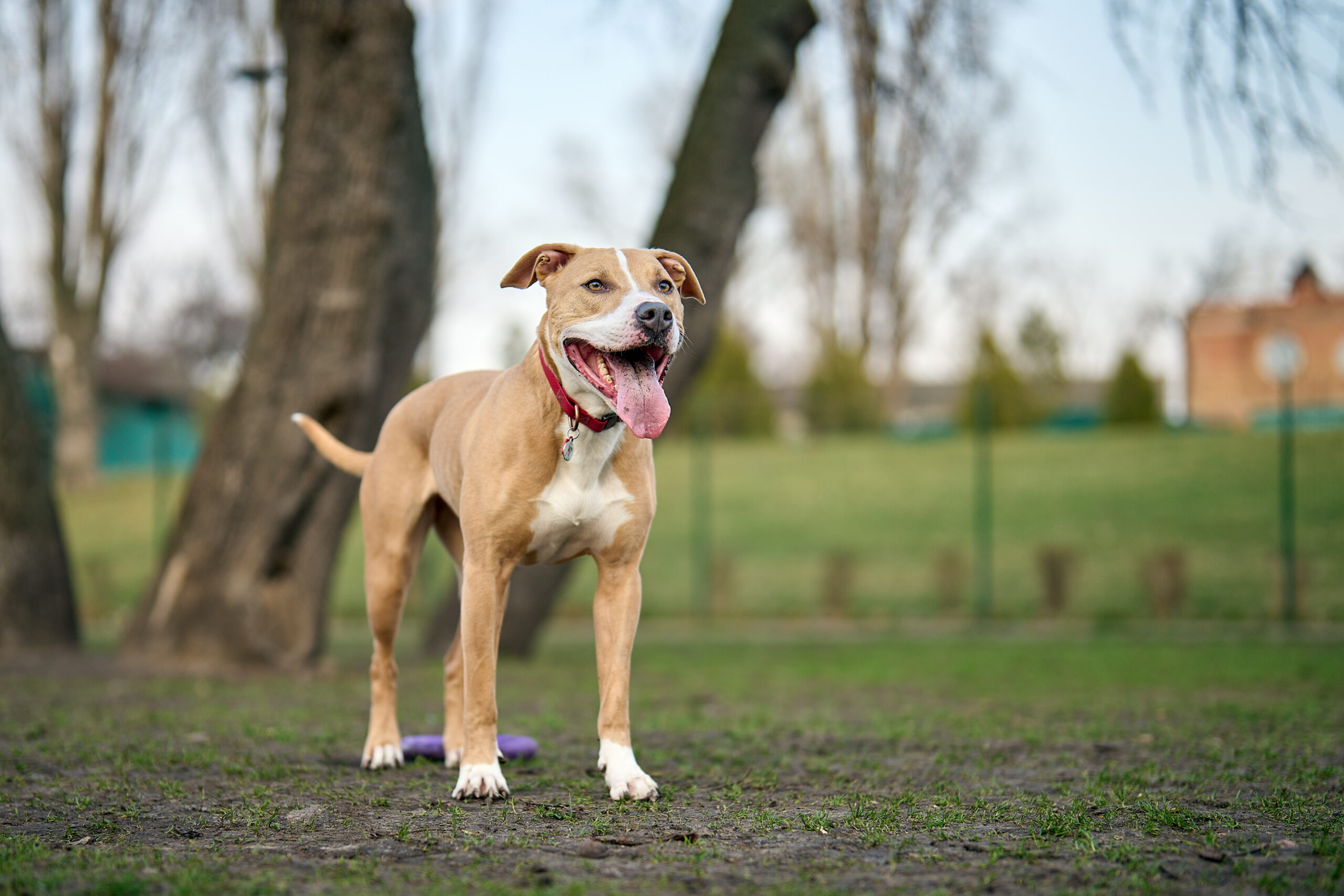
You can imagine that when a dog is insecure or afraid, they might try to make themselves smaller. Their body will lower, and their legs will curl slightly. If a dog is more confident and walks with more self-assurance, they won’t do this. They’ll walk upright, with their body staying high and straight.
Tail
When we ask people how they know if their dog is afraid, the first answer is: tail between its legs. This is indeed correct. However, there are several gradations. A very afraid dog often tucks its tail between its legs. An insecure dog also holds its tail lower than normal, although it won’t always disappear between its legs. The tail will then be lower than in a normal, relaxed position. If the dog carries its tail higher than normal, it is truly confident.
Different physical characteristics
There are different physical characteristics between dogs. There are long-haired dogs, which are sometimes difficult for other dogs to read because of all that hair getting in the way. Or black dogs, which make their expression a bit harder to see. Dogs with curly tails, for example, make it harder to see how the dog holds its tail. So, consider the individual dog.