We often get asked by students: when does puberty start? When is my dog considered an adult? That’s why this blog post is about the life stages of a dog. How exactly does a dog develop in life?
Neonatal phase
Neonatal means after birth. This is the stage when a puppy is 0 to 2 weeks old. A newborn puppy doesn't do much yet, except attach to the nipples and drink from its mother. The mother dog helps the puppy defecate, and the puppy is still deaf and blind at this stage. They can smell, and scent imprinting seems to occur, allowing the puppy to recognize its mother.
Transition phase
We call the phase in which the eyes open and the ears start working the transition phase. In this phase the puppies will take their first waddling steps. The puppies here are 2-3 weeks old.
Socialization phase
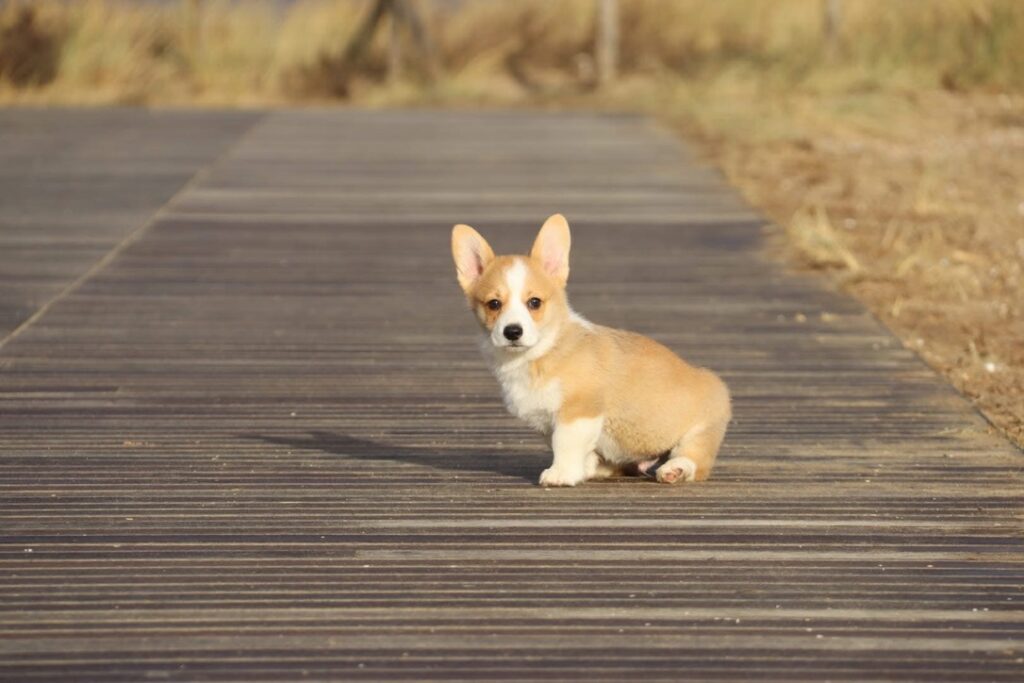
This is a crucial phase in the dog’s life and starts from the third week of life until the puppy is about 3 months old. The breeder plays a major role in this, introducing the puppies to all kinds of elements in the environment. Think of toys, sounds, visitors. The puppy is curious and open-minded.